
The seismic shift in global work practices during the early 2020s fundamentally altered the professional landscape, making “working from home” (WFH) the default for countless individuals. For the thriving communities west of Melbourne specifically professionals in Werribee, Altona, and Melton this change was initially embraced with enthusiasm. The promise of perpetual comfort, zero commute, and significant cost savings was compelling. Yet, as the years progress, a quieter, more profound realisation is setting in: the WFH model, while serving a temporary purpose, carries a heavy long-term cost, leading many to question its sustainability and impact on career progression and mental well-being.
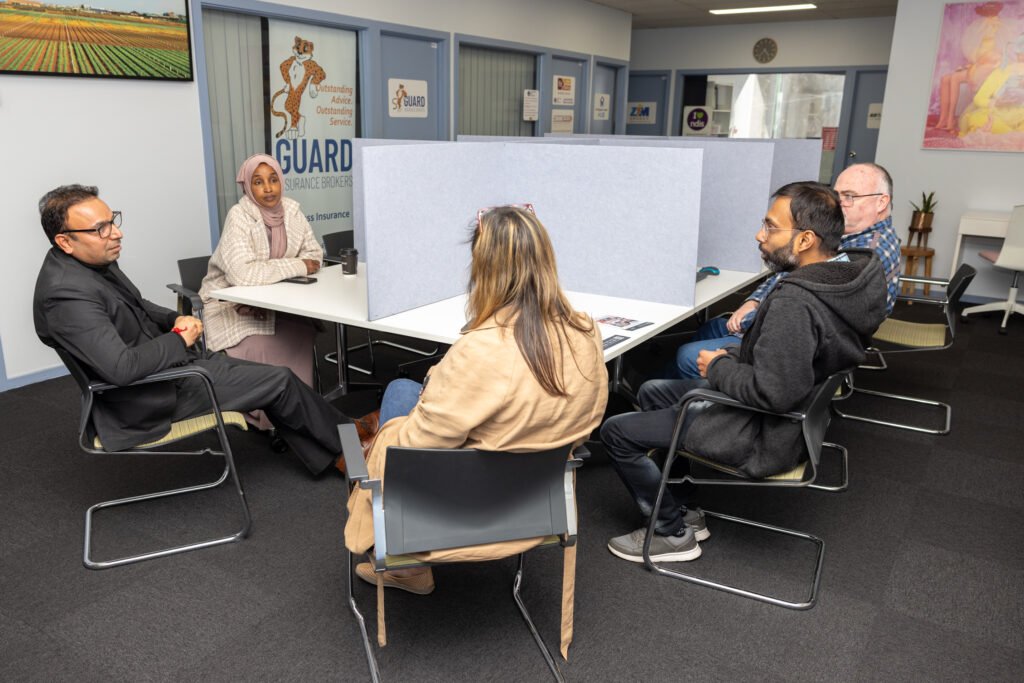
This growing disillusionment has paved the way for a dynamic, balanced alternative: the shared office space. Far from being a relic of the past, modern co-working hubs are emerging as the deliberate, strategic choice for professionals seeking to reclaim their focus, nurture their mental health, and reconnect with a sense of professional community right in their own backyard.The Reality of Working From Home: A Double-Edged Sword
To understand the necessity of this shift, one must first look honestly at the dual reality of the home office.
The Clear-Cut Pros:
The immediate benefits of WFH are undeniable and formed the basis of its initial popularity:
- No Commute: The single greatest advantage is the immediate recovery of hours once spent in a car or on public transport. For Werribee residents commuting to the Melbourne CBD, this can equate to two to three hours a day reclaimed for family, exercise, or deeper work. The emotional and physical toll of peak-hour travel is entirely negated.
- Low Cost: Savings are tangible, extending beyond petrol and public transport fares. Professionals see reductions in wardrobe expenses, dry cleaning, and the constant drain of buying lunch and coffee near the city office. Utility costs are offset by the dramatic savings on travel.
- Comfort and Flexibility: The ability to wear comfortable clothes and manage appointments or personal errands with greater ease offers a perceived level of flexibility that traditional offices cannot match. A degree of autonomy over the work environment—from lighting to music—is a powerful draw
The Insidious Cons:
The sheen of comfort, however, often obscures the deeper, more insidious drawbacks that erode long-term productivity and happiness:
- Profound Isolation and Loss of Serendipity: The document correctly highlights isolation as a major con. This is more than just loneliness; it is the death of spontaneous collaboration and the ‘water-cooler’ moments that spark innovation. Professionals feel disconnected from their team and the broader industry buzz, leading to a flatlining of creativity and a narrowing of professional perspective. Human interaction is essential for motivation, and its prolonged absence breeds stagnation.
- The Tyranny of Distraction: The home, built for relaxation and domestic life, is inherently ill-suited for deep, focused work. Distractions are constant and varied: a pet demanding attention, a ringing doorbell, a partner’s meeting, the temptation of household chores, or the noise of nearby construction. These interruptions fragment the workday, making the eight-hour shift less productive and forcing workers to compensate by working late, further compounding the problems.
- Poor Work-Life Balance and Perpetual Burnout: Perhaps the most damaging con is the utter collapse of the boundary between personal and professional life the poor work-life balance. When the office is permanently in the living room, it becomes impossible to ‘switch off.’ The simple act of a commute, once a burden, served as a crucial psychological barrier, signaling the start and end of the workday. Without it, professionals feel “always on,” leading to chronic stress, exhaustion, and, ultimately, burnout. The lack of a clear separation makes relaxation less restorative and work less effective.
The Advantages of Shared Office Spaces: A Foundation for Success
Shared office spaces represent a deliberate return to a structured environment, but with the modern flexibility WFH introduced. They offer a comprehensive solution to the pitfalls of working from home, transforming productivity and well-being.
1. Structure, Focus, and Superior Productivity
A shared office re-establishes a professional structure and focus. Walking through the doors of a co-working hub is a professional act that signals the start of the workday, creating a crucial routine that boosts productivity. The environment is designed for work: quiet zones for concentration, collaboration areas for teamwork, and a general atmosphere of collective, focused effort that is infectious. This dedicated workspace cleanly separates home life from work life, solving the work-life balance crisis by sheer physical and psychological division.
2. Mental Health and Community Benefits
The mental health benefits of a shared office are arguably its most valuable asset. Simply being around other motivated professionals combats isolation and anxiety. It fosters a sense of community and provides essential social interaction. These spaces are hubs for networking, peer support, and mentorship, directly addressing the burnout caused by WFH’s solitary grind. The energy of a shared space improves motivation and reduces the feeling of being solely responsible for a business or a project.
3. Access to Professional Facilities
Working from home often relies on ad-hoc setups: a dining room table, a shaky internet connection, and poor lighting. Shared offices provide essential professional facilities that are non-negotiable for serious business:
- Reliable, High-Speed Infrastructure: Business-grade internet is a given, eliminating the frustration of dropped calls or slow uploads that plague residential connections.
- Modern and Ergonomic Workstations: From adjustable chairs to multiple monitor setups, the environment is designed for comfort and health, reducing the strain and aches associated with improvised home offices.
- Professional Meeting Spaces: The ability to book a private, well-equipped meeting room with videoconferencing facilities is essential for client meetings, presentations, and confidential team discussions—something a home office cannot reliably provide.
Why Shared Offices Suit Wyndham and Beyond
The shift to local shared offices is a powerful economic and lifestyle choice, particularly for the rapidly expanding Western suburbs. Professionals from Werribee, Tarneit, Williams Landing, Point Cook, Wyndham Vale, Altona, and Melton benefit immensely from local hubs rather than facing the long, resource-intensive commute into the city.
This decision is about more than convenience; it is about empowerment. It allows professionals to maintain a high level of productivity and professional contact without sacrificing local community involvement or family time. It means their resources—their time, money, and professional energy—are invested back into their local economy, supporting local businesses and infrastructure. For the Western corridor, local shared offices are key to establishing a professional ecosystem independent of the CBD, a necessary step for these burgeoning commercial and residential centres.The Westend Business Hub Advantage
Located strategically on Watton Street, the Westend Business Hub is explicitly designed to meet the sophisticated needs of this local, professional demographic. It is not just an office space; it is a full-service community hub.
- Flexible Hire and Custom Solutions: Understanding the diverse needs of sole traders, startups, and remote corporate employees, the Hub offers flexible hire options. This flexibility is critical for managing overhead and scaling a business without the commitment of a long-term commercial lease.
- Coworking and Hot Desks: These options cater to the individual professional who needs structure, community, and an escape from the home environment. They provide the perfect blend of flexibility and professional immersion.
- Shared and Private Offices: For small teams or businesses needing a permanent, secure base, the shared and private office options offer all the benefits of a corporate setting without the CBD price tag or commute.
The Westend Business Hub’s location makes it a central, accessible nerve centre for the entire Wyndham region, a professional sanctuary where modern design meets local convenience.Conclusion: The Balanced Future
Working from home served its purpose during a global crisis, providing necessary continuity. But as we move beyond crisis mode, the long-term trade-offs—the isolation, the distractions, the compromised work-life balance are simply too great for sustained professional excellence and personal well-being.
Shared office spaces are not a regression; they are the considered, balanced future of professional work in Werribee and beyond. They combine the best of both worlds: local convenience and a zero-commute advantage with the crucial structure, focus, professional facilities, and vital social connection necessary for a truly thriving, balanced, and productive career. By choosing a dedicated, local co-working environment, professionals in the Wyndham region are not just changing where they work they are fundamentally choosing to elevate how they live and how they succeed.